About Glass Induction Wads
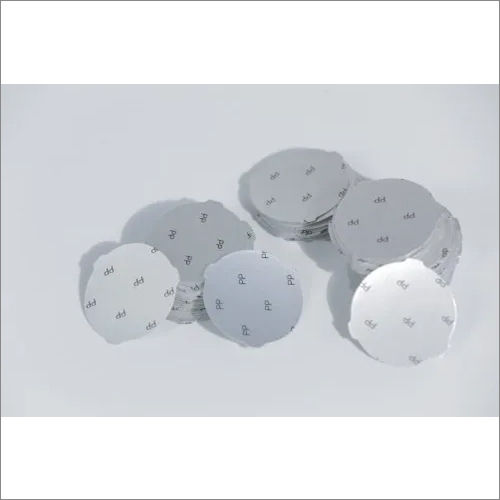
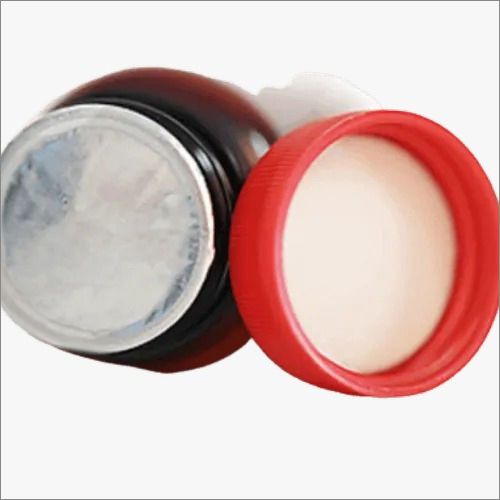
Made in India, glass induction wads are widely used for sealing of jars, bottles and similar containers. They are provided in the thickness of 4 mm and diameter of 70 mm. Their material of construction is aluminium and finishing is in silver colour.
Specifications of Glass Induction Wads
|
Country of Origin
|
Made in India
|
|
Packaging Type
|
Packet
|
|
Brand
|
Tidy Caps
|
|
Thickness
|
4 mm
|
|
Shape
|
Round
|
|
Pattern
|
Printed
|
|
Diameter
|
70 mm
|
|
Material
|
Aluminium
|
|
Colour
|
Silver
|
Leak-Proof and Tamper-Evident SolutionsEnsure product safety with our induction wads, designed to deliver secure, leak-proof and tamper-evident seals. Their specialized structure offers an efficient barrier for pharmaceuticals, chemicals, and food applications, providing peace of mind in terms of product integrity.
Advanced Material and CompatibilityCrafted from high-quality aluminium with a PET/foam backing and food-grade lacquer, these wads are both puncture-resistant and odorless. They are perfectly compatible with glass bottle caps in a wide range of bottle sizes and shapes, offering flexibility to various industries.
Customizable and High-Performance DesignWith printing options tailored to your brand and a customizable size and shape, our wads fit your specific requirements. The induction sealing process ensures uniform adhesion, high temperature tolerance (up to 180C), and a shelf life of up to 24 months if stored properly.
FAQ's of Glass Induction Wads:
Q: How are glass induction wads with sealing layers applied to bottles?
A: Glass induction wads require an induction sealing machine for application. The machine uses electromagnetic induction to heat the aluminium layer, activating the heat-sensitive adhesive, which then bonds the wad securely to the bottle rim, ensuring a leak-proof and tamper-evident seal.
Q: What types of industries can use these induction wads?
A: These induction wads are suitable for pharmaceutical, chemical, and food industries. Their food-grade lacquer and odorless properties make them ideal for packaging sensitive products, providing safety and regulatory compliance.
Q: When should I use induction wads for glass bottles?
A: Use induction wads for glass bottles when you require a secure seal that is both tamper-evident and leak-proof, such as for storing liquids or sensitive substances that must maintain integrity during transit and storage.
Q: Where can I order customized induction wads for branding purposes?
A: You can source customized induction wads directly from the manufacturer or supplier in India. Printing options are available as per your design requirements, allowing you to enhance product identity and brand recognition.
Q: What is the process of sealing glass bottles with induction wads?
A: The process involves placing the wad inside the cap, closing the cap onto the bottle, and passing it through the induction sealing machine. The machine generates heat through induction, melting the adhesive and causing the wad to bond tightly to the bottle mouth.
Q: What are the main benefits of using these glass induction wads?
A: The wads provide leak-proof, tamper-evident protection, excellent adhesion, and high puncture resistance. They are also customizable, odorless, and safe for food contact, making them versatile for a wide range of applications.
Q: How should induction wads be stored to maintain their shelf life?
A: To preserve their shelf life of up to 24 months, induction wads should be stored in a cool and dry environment, away from direct sunlight and moisture, ensuring the adhesive and lacquer remain effective and undamaged.
 Send Inquiry



 Send Inquiry

 Send Inquiry


